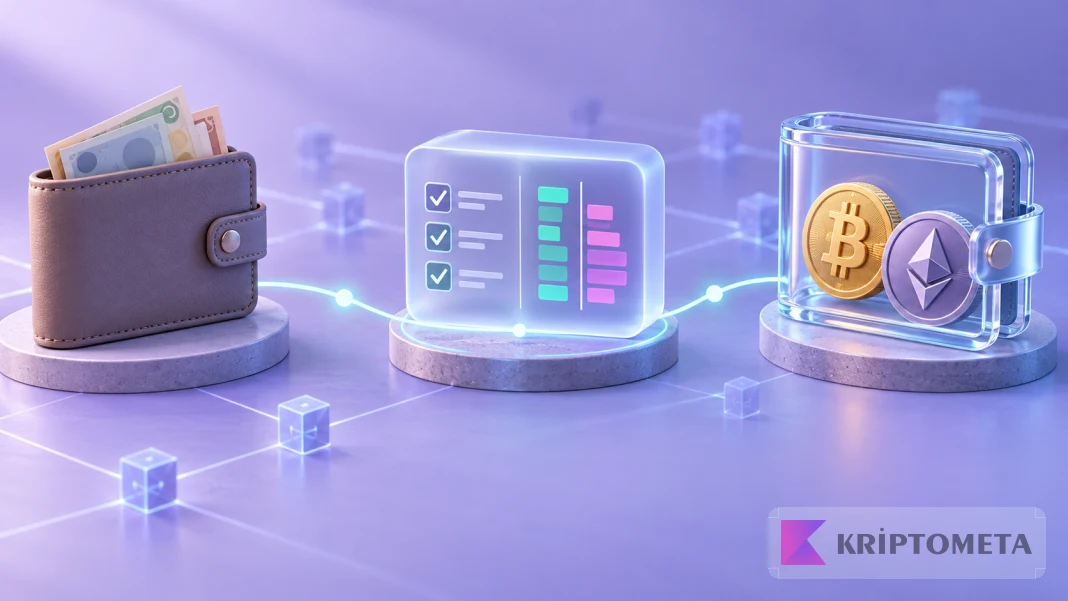









How to transfer cryptocurrency: check the network, address and fees
The lowest withdrawal fee does not necessarily identify the right route. Check what the recipient supports, which extra details are required and how much will actually arrive.
 BTC
$83,490.00
+0.28%
BTC
$83,490.00
+0.28%
 ETH
$2,678.47
+0.13%
ETH
$2,678.47
+0.13%
 ZEC
$1,412.87
-3.51%
ZEC
$1,412.87
-3.51%
 SOL
$118.88
+0.90%
SOL
$118.88
+0.90%
 XRP
$1.50
+0.58%
XRP
$1.50
+0.58%
 NEAR
$4.95
+5.12%
NEAR
$4.95
+5.12%
 QNT
$264.42
+11.82%
QNT
$264.42
+11.82%
 AVAX
$11.43
+10.13%
AVAX
$11.43
+10.13%
 SUI
$1.15
+0.65%
SUI
$1.15
+0.65%
 BABY
$0.0140
+6.63%
BABY
$0.0140
+6.63%
 BNB
$757.12
-0.56%
BNB
$757.12
-0.56%
 HBAR
$0.1033
-14.69%
HBAR
$0.1033
-14.69%
 LINK
$14.69
-3.08%
LINK
$14.69
-3.08%
 UNI
$8.93
+2.77%
UNI
$8.93
+2.77%
 PUMP
$0.005809
+17.16%
PUMP
$0.005809
+17.16%
 AAVE
$166.44
+13.91%
AAVE
$166.44
+13.91%
 DOGE
$0.0941
+0.89%
DOGE
$0.0941
+0.89%
 WLD
$0.4903
+1.74%
WLD
$0.4903
+1.74%
 XLM
$0.2233
-0.89%
XLM
$0.2233
-0.89%
 TAO
$302.20
+0.13%
TAO
$302.20
+0.13%
News, ideas and tools. All in one place.
All crypto news, in one feed.



Look beyond the price.
Exchanges, wallets and the details that matter.
Understand more. Decide better.
Put the numbers in perspective.
Convert Bitcoin, Ethereum and other coins to USDT, TRY, approximate USD or another crypto asset. Enter an amount to calculate its equivalent.
Open calculatorCalculate crypto profit, loss and ROI from your entry and target prices. Compare price scenarios and capital recovery in a moon sheet.
Open calculatorAdd coin purchases at different prices. Calculate total holdings, weighted average cost and your break-even price.
Open calculatorEstimate liquidation prices for isolated-margin crypto positions using entry price, leverage and margin. Compare long and short scenarios.
Open calculatorFrom your first crypto transaction to wallets and DeFi: choose a topic and follow the explanations and practical steps.
The lowest withdrawal fee does not necessarily identify the right route. Check what the recipient supports, which extra details are required and how much will actually arrive.
The first purchase check starts before the confirm button. Account security, the correct trading pair and net cost need to be read together. Six stages explain the gap between placing an order and completing a purchase, with a worked cost comparison.
Applications you no longer use may retain spending permission. Checking the network, spender and limit in the right order helps you identify which approvals to remove.
Similar-looking wallet screens can hide very different security arrangements. Before comparing download counts, decide which assets and networks you will use and how you would regain access after losing a device.
Recovery words can become more consequential than the device they protect: hardware can be replaced, but an incomplete or exposed backup is harder to fix. Plan for unreadable records and lost access as well as theft.
Learning how to analyze tokenomics starts with supply and allocation records, not the price screen. Who receives tokens, when they can move them and where rewards come from can reveal very different risks behind similar price tags.
Stablecoin risks extend beyond the dollar sign next to your balance. Who backs the token, which network holds it and how you can cash out explain why two similar-looking balances can carry different risks.
A transfer marked “sent” has not necessarily reached the recipient’s available balance. Looking up its transaction ID helps separate progress on the blockchain from processing at the receiving exchange.
Crypto assets traded on an exchange do not all serve the same payment or application functions. Comparing their uses means looking separately at network costs, supported transactions and the rights an asset actually provides.