









Financial institutions could reuse the same infrastructure across different digital asset services. LG CNS’s platform brings wallet management, transaction handling and record collection into one system.
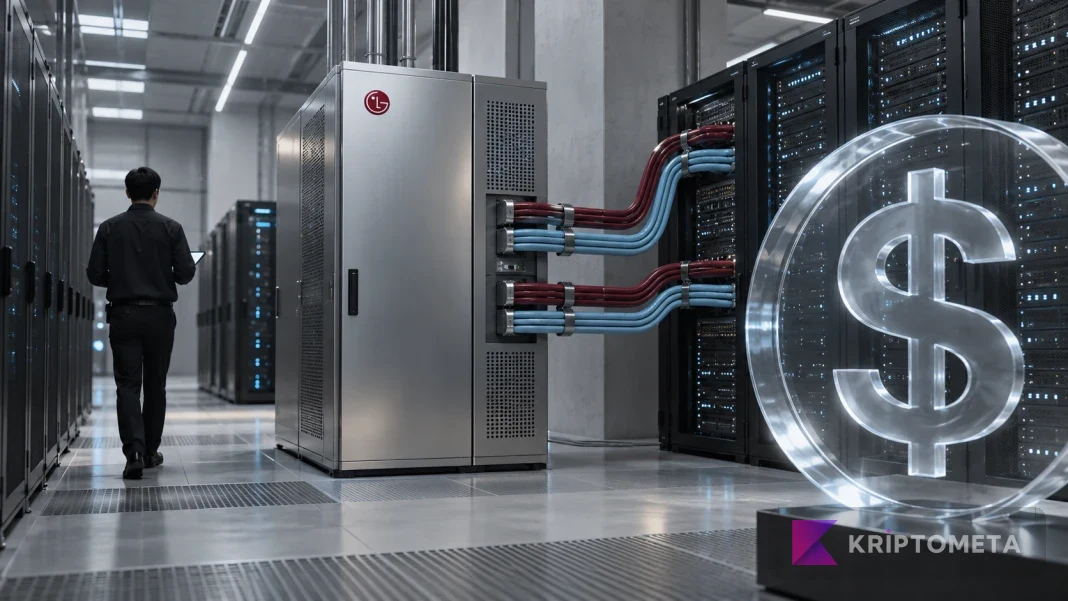
LG CNS unveiled KITL on October 6 as infrastructure for financial institutions building stablecoin and tokenised asset services. The South Korean company aims to bring wallets, transaction tracking, network fees and record collection into a shared system, reducing the need to build a separate foundation for each new service.
According to the company’s announcement, KITL is intended for banks, securities firms, card companies and payment providers. It covers tokenised securities and real-world assets as well as stablecoins. Its central proposition is that institutions can reuse the same core functions across different asset businesses.
An infrastructure launch, not a new currency. The announcement does not mean LG CNS has issued a stablecoin or that banks have received regulatory permission to operate one. KITL provides technology for institutions developing those services.
Four functions for financial institutions
KITL’s wallet component holds digital assets and signs transactions. Its transaction layer tracks a request from a bank’s system through processing on the blockchain and reports the result. That connects an institution’s internal records with activity taking place on a public network outside its direct control.
Another function handles network fees, commonly called gas, under an agreed arrangement between service providers. It is not a promise that every transaction will be free: it determines how banks, card companies or other providers bear those costs.
The record collection component gathers an institution’s relevant activity rather than every transaction on a public blockchain. LG CNS says stablecoin issuers could use the data to compare the amount issued with dollar or won deposits. Distributors could use the same records for settlement, accounting and audit preparation.
From a payment pilot to public networks
LG CNS says the wallet technology extends work used in the Bank of Korea’s Project Hangang from private to public blockchains. It cites a pilot in which seven banks and about 80,000 customers made actual payments at convenience stores and supermarkets. That figure was not presented as the new KITL platform’s current user count.
The platform is designed for reuse across assets and networks. Institutions should be able to retain their core infrastructure when adding networks such as Solana alongside Ethereum, according to the company. The announcement provides no independent performance benchmark or quantified saving for that approach.
Partnership details published by LG identify five organisations. Circle will work on digital asset infrastructure suited to local conditions; Securitize will collaborate on tokenising funds and bonds; and the Canton Foundation will help build network access infrastructure. Chainalysis covers transaction monitoring, while Chainlink brings data and cross-chain services. The agreements are memorandums of understanding, rather than confirmation that every integration is already complete.
“Help financial institutions launch services when the rules take effect.”
LG CNS did not disclose KITL’s commercial pricing or a list of first customers preparing to go live.