









Crypto glossary
What are maker and taker orders?
 KriptoMeta Editorial Team
- Added:
- Updated:
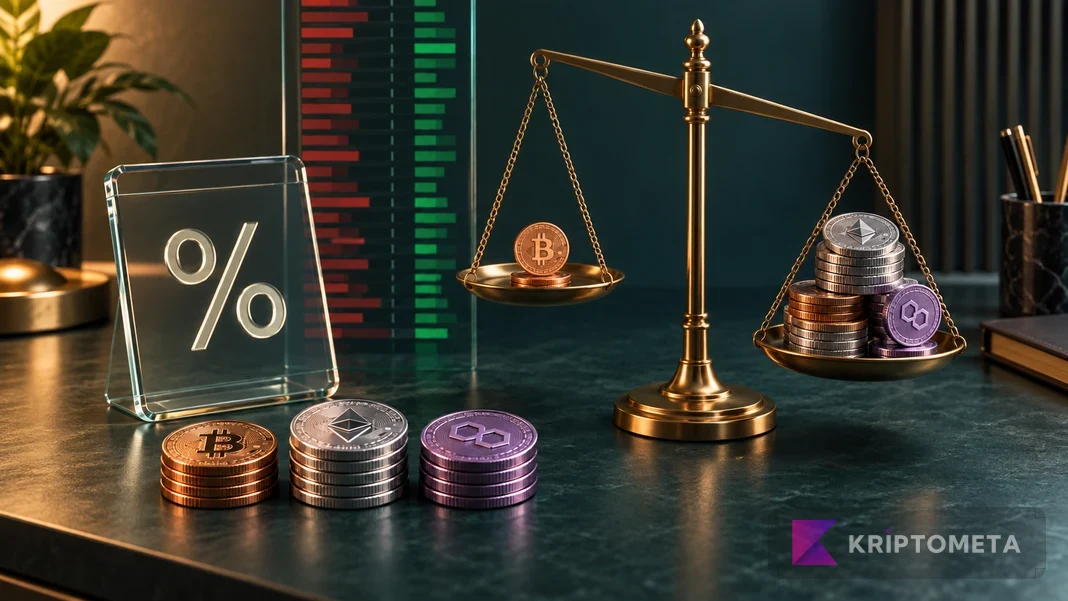
A maker supplies liquidity through an order that rests in the book before it is matched. A taker immediately matches an existing offer. A centralized exchange may charge different rates for those roles; maker execution is not universally free.
A limit order sets an acceptable price boundary. If that boundary allows an immediate match, the fill can be a taker trade. An order that partly fills immediately and partly rests may later have both taker and maker fills.
Example
In a hypothetical book, sell offers begin at $100. A $99 buy limit does not immediately match and rests in the book; if it is filled later, it may be a maker trade. A $100 buy limit that immediately matches a seller at that price is a taker trade. Having a price limit does not by itself guarantee a maker fee.
Where supported, post-only settings can reject or cancel an order that would execute immediately. They do not guarantee that a resting order will fill. Calculate charges from executed quantities and the account’s applicable schedule.
The exchange-fee comparison works through a partial-fill example that combines maker and taker charges.
Keep exploring