








How to swap tokens on a DEX: from quote to receipt
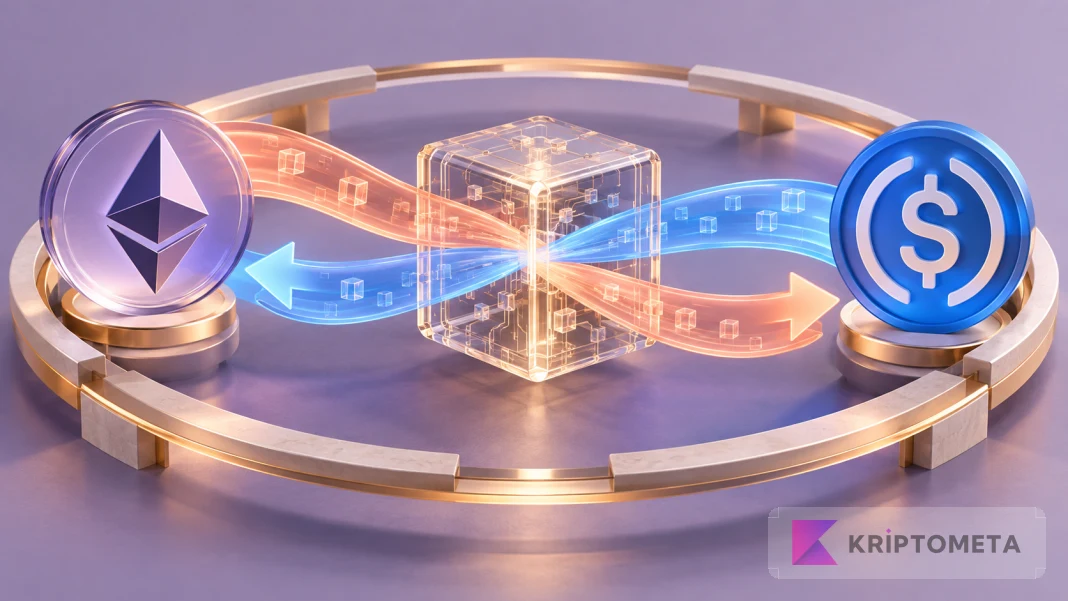
A quoted amount is only part of a swap. An actual Uniswap screen and a worked cost comparison show what to check before signing and how to confirm what arrived.
 BTC
$83,430.02
-1.50%
BTC
$83,430.02
-1.50%
 ETH
$2,671.90
-0.71%
ETH
$2,671.90
-0.71%
 QNT
$237.73
+26.14%
QNT
$237.73
+26.14%
 SOL
$118.36
-3.76%
SOL
$118.36
-3.76%
 XRP
$1.49
-2.88%
XRP
$1.49
-2.88%
 ZEC
$1,461.96
-9.20%
ZEC
$1,461.96
-9.20%
 NEAR
$4.76
-12.52%
NEAR
$4.76
-12.52%
 SUI
$1.15
-9.39%
SUI
$1.15
-9.39%
 HBAR
$0.1267
+33.42%
HBAR
$0.1267
+33.42%
 UNI
$8.79
-9.89%
UNI
$8.79
-9.89%
 LINK
$14.95
+6.34%
LINK
$14.95
+6.34%
 DOGE
$0.0934
-3.89%
DOGE
$0.0934
-3.89%
 BNB
$763.58
-1.90%
BNB
$763.58
-1.90%
 PUMP
$0.005176
+5.42%
PUMP
$0.005176
+5.42%
 ONDO
$0.5118
-7.40%
ONDO
$0.5118
-7.40%
 WLD
$0.4872
-12.91%
WLD
$0.4872
-12.91%
 XAUT
$4,138.74
-3.33%
XAUT
$4,138.74
-3.33%
 ENA
$0.2606
-9.39%
ENA
$0.2606
-9.39%
 XLM
$0.2283
+5.40%
XLM
$0.2283
+5.40%
 MARSCOIN
$0.1590
+25.39%
MARSCOIN
$0.1590
+25.39%
News, ideas and tools. All in one place.
All crypto news, in one feed.
Look beyond the price.
Exchanges, wallets and the details that matter.
Understand more. Decide better.
Put the numbers in perspective.
Convert Bitcoin, Ethereum and other coins to USDT, TRY, approximate USD or another crypto asset. Enter an amount to calculate its equivalent.
Open calculatorCalculate crypto profit, loss and ROI from your entry and target prices. Compare price scenarios and capital recovery in a moon sheet.
Open calculatorAdd coin purchases at different prices. Calculate total holdings, weighted average cost and your break-even price.
Open calculatorEstimate liquidation prices for isolated-margin crypto positions using entry price, leverage and margin. Compare long and short scenarios.
Open calculatorAll our coverage of Altcoin, together. Choose a publication type below to narrow your reading.
A quoted amount is only part of a swap. An actual Uniswap screen and a worked cost comparison show what to check before signing and how to confirm what arrived.
A stablecoin returning to $1 does not necessarily reverse a lending loss. Dated USDC records and reproducible stress calculations show where temporary price changes can become lasting shortfalls.
Visa’s data refresh filters out more instances of the same funds moving repeatedly between wallets. Dollar volume and transaction count changed by different amounts, affecting comparisons of stablecoin usage.
The travel platform’s AVA plan gives two buyers different destinations for their purchases. We checked the reserve’s transfers; holding tokens and burning them have different implications for supply.
Explore pool selection, price ranges and withdrawal through a documented Uniswap v3 example. A worked comparison separates fee income from performance against holding the original tokens.
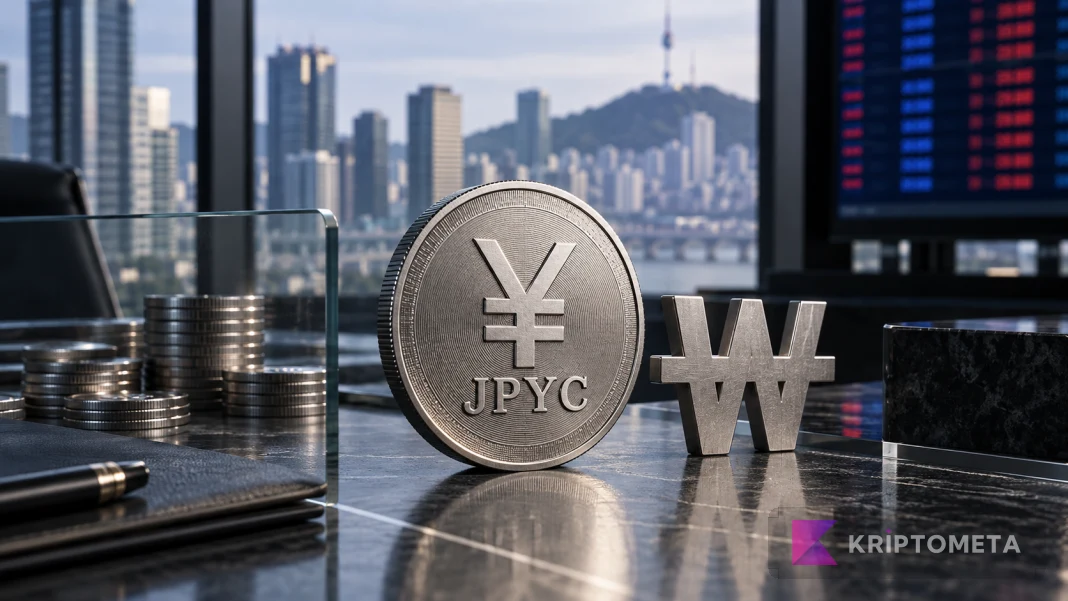
JPYC’s jump above four times its reference price on Upbit has sharpened calls for liquidity safeguards in South Korea’s won stablecoin framework. Industry voices say reserve backing alone cannot keep exchange prices in line.
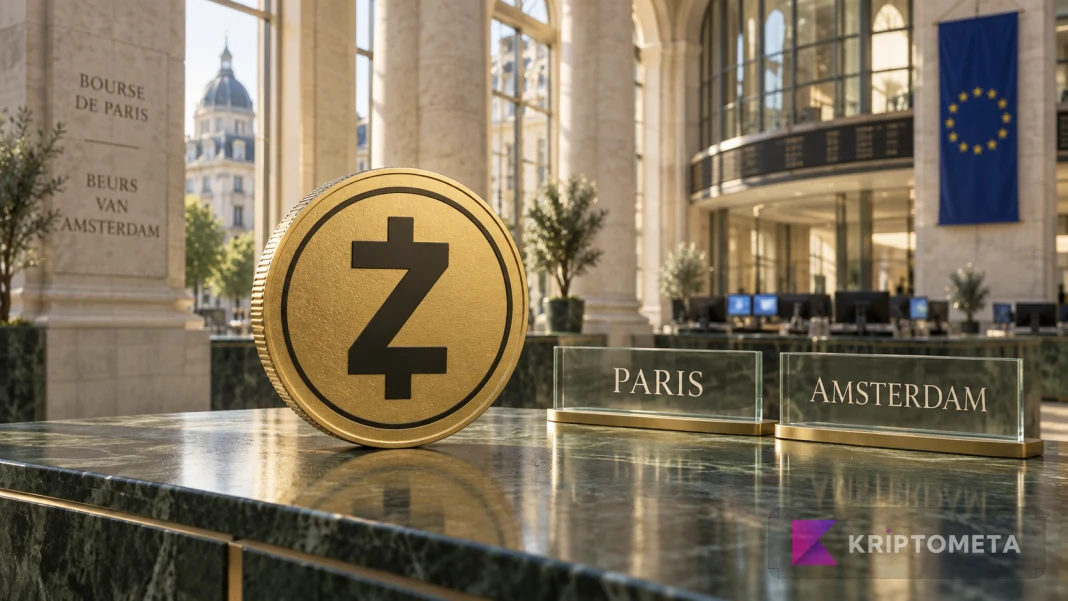
21Shares has brought Zcash exposure to two European exchanges through an investment account. Listed on September 22, ZCASH is physically backed by ZEC and carries a 2.5% annual fee.
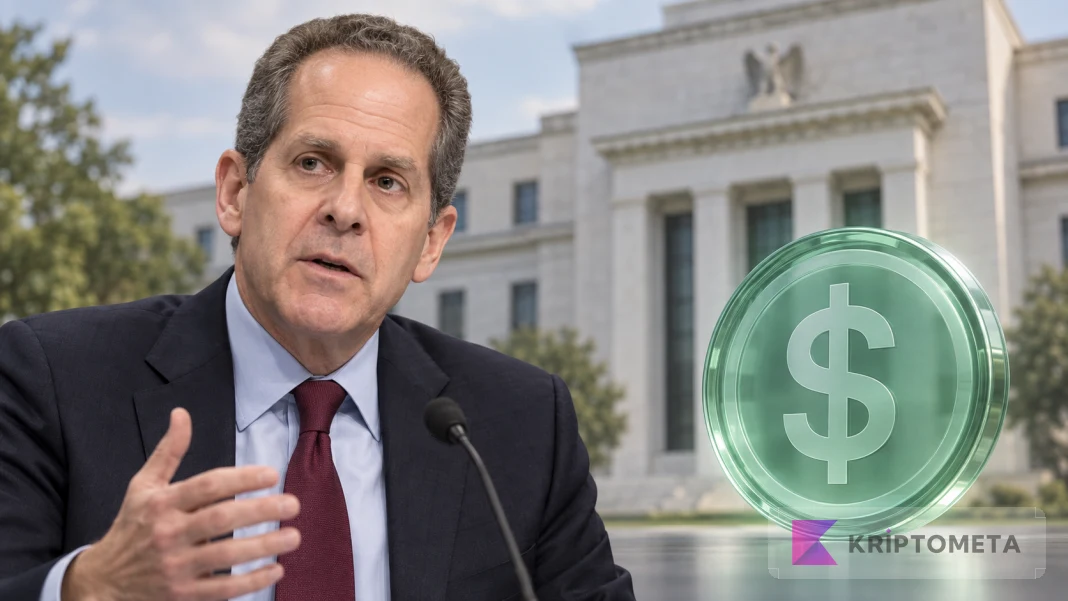
The Federal Reserve has opened reserve and capital proposals for stablecoin issuers it supervises. Governor Michael Barr wants the final framework to make access to redemption clear, including when markets are under stress.
AlphaFi is winding down on Sui after an oracle configuration issue. New deposits and borrowing have stopped, while existing users can still withdraw their assets.
Tokenized shares including Apple and Nvidia have become borrowing collateral on Aave. The credit market runs around the clock, but its stock-price feeds operate on a more limited schedule.
This Lido analysis uses the H1 2026 report to examine the path from staked ETH to fee revenue and LDO rights. Shared-pool economics and a tokenholder’s claim are evaluated separately.
Comparing liquid staking with solo staking on Ethereum starts with control and the route back to ETH. Reward rates need to be read alongside expenses, queues and executable token prices.
We inspected PancakeSwap’s swap screens without connecting a wallet on September 27, 2026. Network and token selection and expanded quote details were accessible; execution, signing and security testing remain outside the review.
Your first DeFi decision is what you want your assets to do. Swapping, supplying a lending pool and providing liquidity create different obligations; choosing a route means budgeting for the way out as well as the way in.
We inspected Aave V3 Core without connecting a wallet. Real USDC reserve screens separate rates, liquidity and collateral limits, with clear boundaries around what was not tested.
Collateral prices are only part of DeFi borrowing risk. Work through changes in debt, repayment choices and the limits of alerts with explicit numerical assumptions.
Does more lending leave more value for AAVE? We separate borrowing demand, protocol income and token value capture, using worked scenarios and dated governance evidence.
A strong UNI thesis needs more than a busy exchange protocol. Fee allocation, recurring burns and the economics of supplying liquidity belong in the same assessment. This analysis examines when growth might translate into token value and what could interrupt that connection.
Picking two tokens is easy; understanding the quote takes more attention. We inspected the Uniswap web app through real screens, separating the decisions it simplifies from those it leaves to the user.