







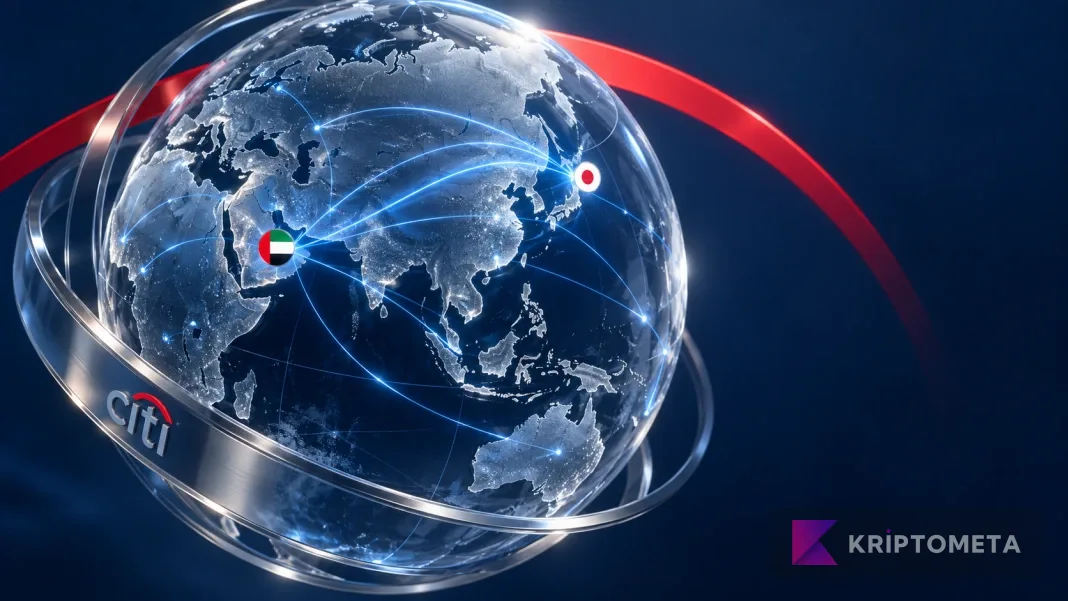
Citi takes its 24/7 tokenized deposit network to Japan and UAE
Companies and financial institutions with accounts in Japan and the UAE can move funds to supported Citi markets without waiting for bank cut-off times or holiday calendars.
 BTC
$83,400.64
-0.07%
BTC
$83,400.64
-0.07%
 ETH
$2,678.68
-0.09%
ETH
$2,678.68
-0.09%
 ZEC
$1,398.38
-3.70%
ZEC
$1,398.38
-3.70%
 SOL
$118.66
+0.30%
SOL
$118.66
+0.30%
 XRP
$1.49
-0.11%
XRP
$1.49
-0.11%
 NEAR
$4.92
+3.91%
NEAR
$4.92
+3.91%
 QNT
$267.90
+8.31%
QNT
$267.90
+8.31%
 SUI
$1.15
-0.35%
SUI
$1.15
-0.35%
 AVAX
$11.41
+8.99%
AVAX
$11.41
+8.99%
 BABY
$0.0140
+6.46%
BABY
$0.0140
+6.46%
 BNB
$756.49
-0.85%
BNB
$756.49
-0.85%
 HBAR
$0.1037
-16.59%
HBAR
$0.1037
-16.59%
 LINK
$14.65
-4.03%
LINK
$14.65
-4.03%
 UNI
$8.94
+2.49%
UNI
$8.94
+2.49%
 PUMP
$0.005822
+17.10%
PUMP
$0.005822
+17.10%
 AAVE
$166.01
+12.99%
AAVE
$166.01
+12.99%
 DOGE
$0.0939
+0.21%
DOGE
$0.0939
+0.21%
 WLD
$0.4889
+0.89%
WLD
$0.4889
+0.89%
 XLM
$0.2227
-1.98%
XLM
$0.2227
-1.98%
 ENA
$0.2496
-3.70%
ENA
$0.2496
-3.70%
News, ideas and tools. All in one place.
All crypto news, in one feed.



Look beyond the price.
Exchanges, wallets and the details that matter.
Understand more. Decide better.
Put the numbers in perspective.
Convert Bitcoin, Ethereum and other coins to USDT, TRY, approximate USD or another crypto asset. Enter an amount to calculate its equivalent.
Open calculatorCalculate crypto profit, loss and ROI from your entry and target prices. Compare price scenarios and capital recovery in a moon sheet.
Open calculatorAdd coin purchases at different prices. Calculate total holdings, weighted average cost and your break-even price.
Open calculatorEstimate liquidation prices for isolated-margin crypto positions using entry price, leverage and margin. Compare long and short scenarios.
Open calculatorLatest developments on NFT, Metaverse, Blockchain infrastructure and Web3 technologies.
Companies and financial institutions with accounts in Japan and the UAE can move funds to supported Citi markets without waiting for bank cut-off times or holiday calendars.
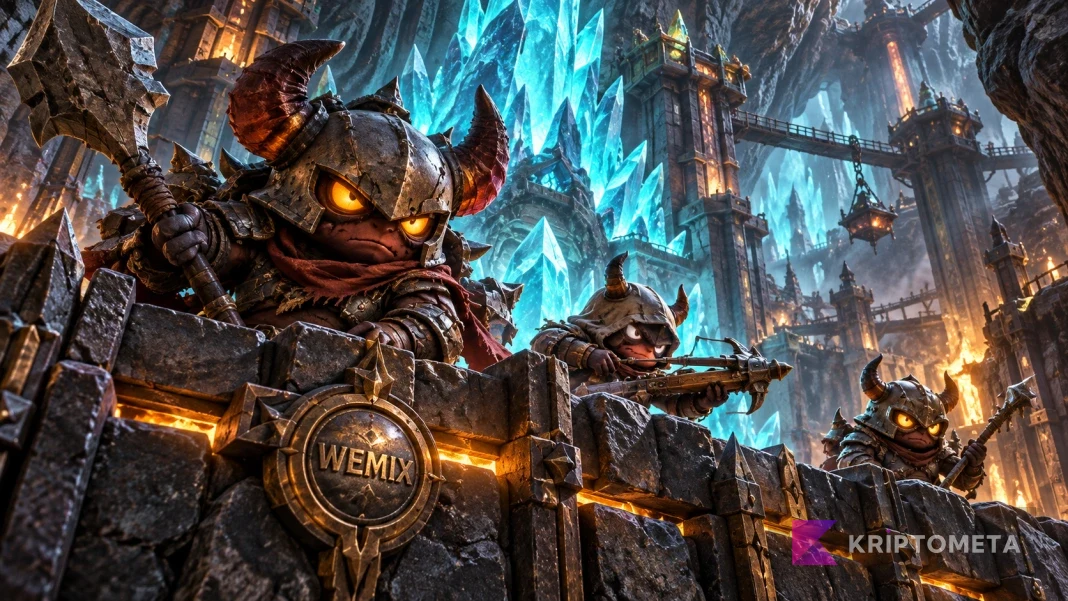
Stone Rush brings a Web3 economy to a game built around defending mines. The launch gives players a route from in-game resources to WEMIX, but the exchange channel and its limits matter.
Oracle wants to help banks move tokenized deposits beyond their separate networks. Its Swift integration is designed to bring digital-asset activity and established payment processing into the same workflow.
Coinbase plans to connect packs opened on a phone with real collectible cards. Buyers would be able to store their pulls or request delivery, but the costs and access rules are still to come.
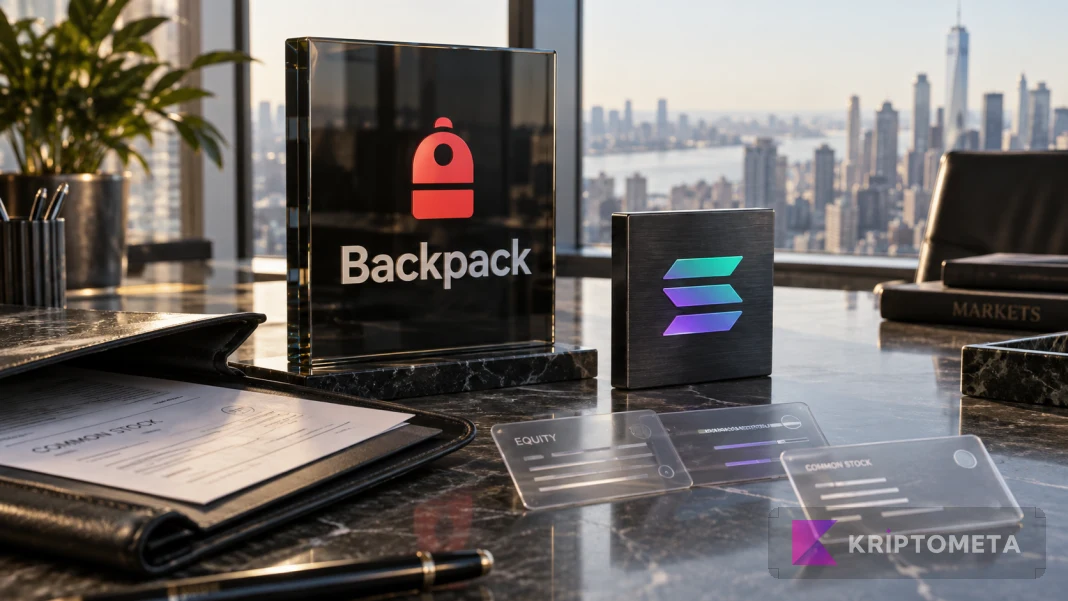
Backpack CEO Armani Ferrante wants to expand tokenized equities to 10,000 symbols. The plan connects brokerage accounts with DeFi in both directions, while its EWY product offers a concrete example of the model already in use.
A flaw in a legacy Limit Break payment contract has put old NFT approvals back in focus. The rescue team says it secured 23,155 NFTs, while Magic Eden is urging former EVM users to revoke affected permissions.
An overwhelming approval rate can conceal concentrated voting power. Participation, treasury commitments and the authority to execute a decision need separate evidence.
The Eurosystem launched Pontes on September 21 to settle tokenised asset transactions in central bank money. Deutsche Bank and Santander are among the initial participants, while the ECB is preparing investments from its own funds.
ARK Venture Fund (ARKVX), whose portfolio includes OpenAI and Anthropic, now has a tokenized version through Securitize. Blockchain ownership keeps the fund’s investor eligibility and exit restrictions in place.
Upbit-backed GIWA has responded to claims of a leaked mainnet connection. Its documentation lists only a Sepolia test network, while the project warned users about false information and scams.
Layer 2 economics can diverge from transaction growth. A common 30-day window for Base, Arbitrum and OP Mainnet shows what low L1 costs explain and which expenses remain outside the calculation.
Rollup security assessment starts with the conditions under which transactions and exits remain possible. Five checks and a dated Arbitrum example separate proof verification from administrator authority.
Spending for entertainment and spending to earn a larger reward are different forms of demand. We examine GameFi beyond wallet counts, using dated Axie policy decisions and a transparent hypothetical budget.
Start with the game, not a token purchase. This guide builds a practical sequence for checking the demo, device requirements, asset rights and total cost before spending money.
Before buying an NFT, look beyond the artwork and its price tag. A matching contract, clear usage rights and understandable wallet permissions provide a firmer basis for the decision.
NFT market analysis requires separating trading volume from independent demand. Sales counts, buyer distribution and the money reaching creators can tell very different stories.
A transfer marked “sent” has not necessarily reached the recipient’s available balance. Looking up its transaction ID helps separate progress on the blockchain from processing at the receiving exchange.