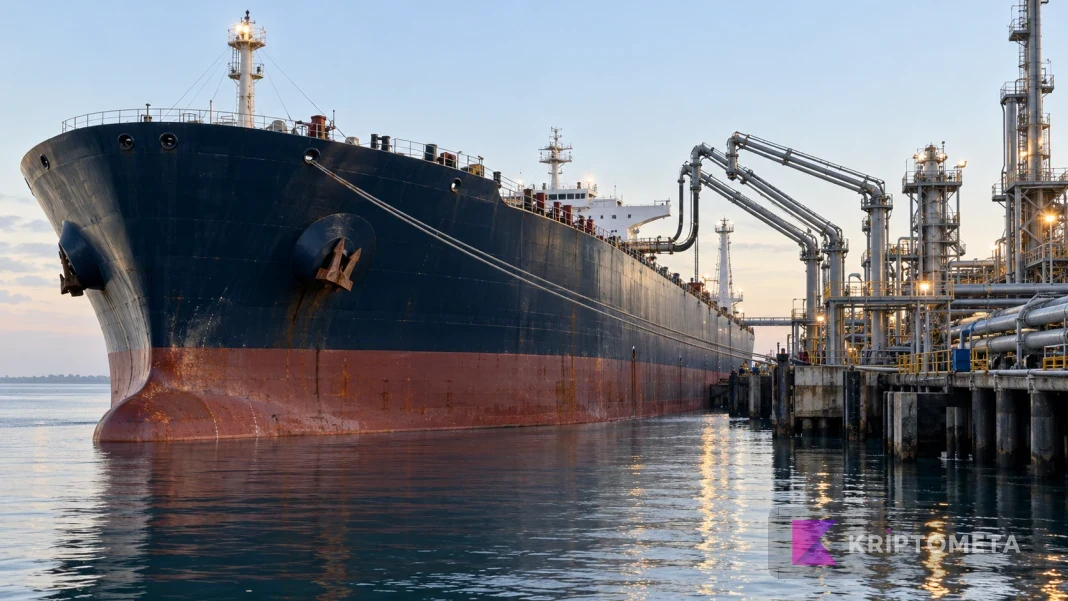















Diesel deliveries take priority in the G7 plan to ease pressure on energy supplies. The overall release spans four months, alongside efforts to prevent simultaneous refinery shutdowns.
G7 leaders have agreed to coordinate the release of 100 million barrels from emergency oil reserves over four months. The joint statement following their virtual meeting on October 2 says the release will begin immediately, with a substantial share of diesel supplies frontloaded within the first 20 days.
The plan extends beyond drawing down stored fuel. Leaders will coordinate refinery maintenance to avoid losing capacity at several facilities at once. Temporarily raising utilization where feasible and working with other countries that have refining capacity, particularly for diesel, are also part of the response.
Diesel deliveries take priority
Bringing diesel deliveries forward focuses the early effort on a fuel used in freight transport. The statement does not specify a separate barrel figure for diesel, however. It also leaves country-by-country contributions and daily delivery schedules undisclosed.
“We will coordinate maintenance schedules across G7 refineries to prevent simultaneous capacity shutdowns.”
Members also committed to refrain from restricting exports of energy and energy products among themselves. That pledge is intended to work alongside the reserve release: maintaining production and cross-border deliveries is part of the plan, as well as moving fuel out of storage.
European Council President António Costa welcomed the 100 million-barrel plan in a post the same day. He also said EU leaders would return to energy prices at their October 15–16 meeting.
António Costa’s October 2 post on the G7 reserve release
The post loads from X when you open it.
The release follows the March commitments
The joint statement refers to implementing commitments made in March 2026 through the International Energy Agency (IEA). The 100 million barrels therefore should not be treated as a separate volume added on top of every previous reserve-release decision.
A release plan is not a completed delivery. Although implementation is to start immediately, all 100 million barrels will not reach the market on the same day. The first 20 days matter both for frontloaded diesel supplies and for an IEA progress report due before that period ends.
G7 members and partners will also discuss possible additional diesel releases at the IEA in the coming days. No extra volume has been announced. The U.S. call for a 40 million-barrel oil exchange we previously covered has its own bidding and delivery terms. Adding the two headlines together would not establish a new 140 million-barrel package.
CityNews’ English-language report from October 2 summarizes the decision and diesel’s role in freight transport.

The release is intended to ease supply pressure; it does not by itself determine when or how far retail fuel prices will fall. For commodity markets, the next concrete indicators will be completed deliveries, refinery output and the IEA’s first progress report.