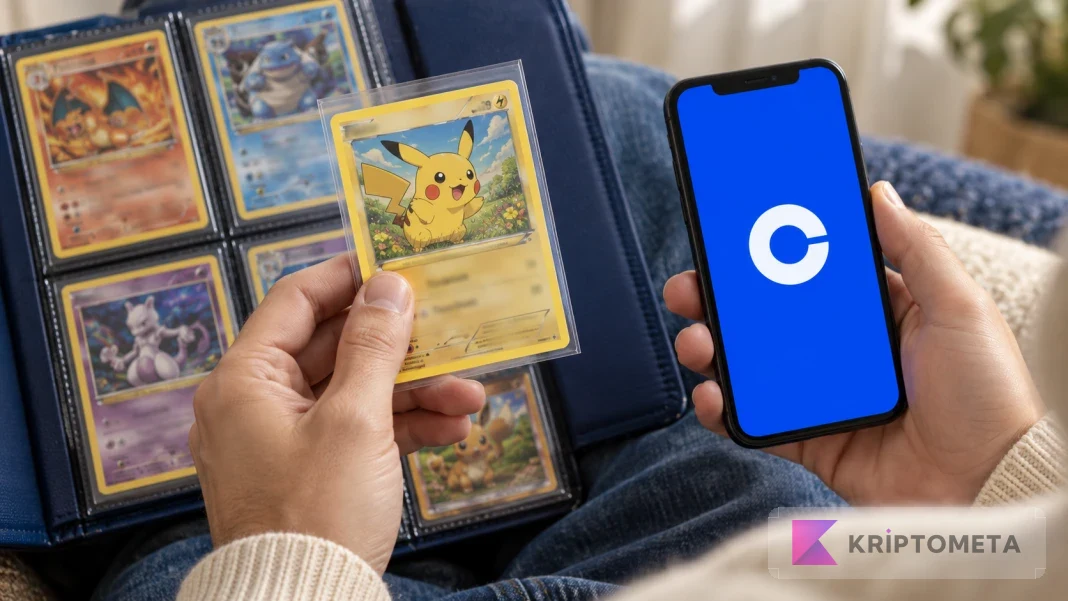










Coinbase plans to connect packs opened on a phone with real collectible cards. Buyers would be able to store their pulls or request delivery, but the costs and access rules are still to come.
Coinbase is preparing to bring Pokémon card collecting to a phone-based pack-opening experience. In its September 28 announcement, the company said every pull would be backed by a real, physical card. Collectors would be able to leave their cards in storage or have them shipped.
The teaser says the packs are coming soon, without setting a launch date. It also leaves prices and eligible countries unspecified. The announcement therefore describes a planned product, rather than a service collectors can already assume is available to them.
Each pull would have a physical counterpart
Coinbase pitches the packs as a way to expand a collector’s binder. Opening a pack on a phone, then choosing between storage and shipping, would connect a digital collection with cards that can be held in person. The company sums up the backing in one sentence:
“Every pull backed by a real, physical card.”
View Coinbase’s Pokémon card pack announcement on X
The post loads from X when you open it.
The post does not explain the technical structure. It identifies neither a blockchain nor a physical custodian, and does not say whether each card will be represented as an NFT. Different pack colors in the promotional image also do not establish prices, rarity tiers or the odds of pulling a particular card.
Delivery is promised; the terms are still missing
Physical redemption would let a collector move a card from an on-screen collection into a binder at home. How that transition works matters as much as the opening experience. Coinbase’s post does not set out shipping charges, identity checks or what would happen to a card’s digital record after redemption.
Courtyard provides a separate industry example of why those details matter. Its official redemption procedure requires identity verification and payment of shipping costs and taxes. When a collector requests the physical card, Courtyard burns the corresponding digital version. Those are Courtyard’s procedures, not announced terms or evidence of a partnership for Coinbase’s new product.
Physical backing and delivery terms answer different questions. Coinbase has announced real cards and a choice between storage and shipping. It has not established who will hold them, where they can be sent or what delivery will cost. Worldwide access or free shipping cannot be assumed.
For collectors, the next useful disclosure will go beyond the pack price. The rights attached to a purchase and the total cost of receiving the card still need to be established. The rights and cost checks used when buying digital collectibles remain relevant: familiarity with Pokémon does not replace the product terms that have yet to be published.