











Crypto glossary
What is volatility?
 KriptoMeta Editorial Team
- Added:
- Updated:
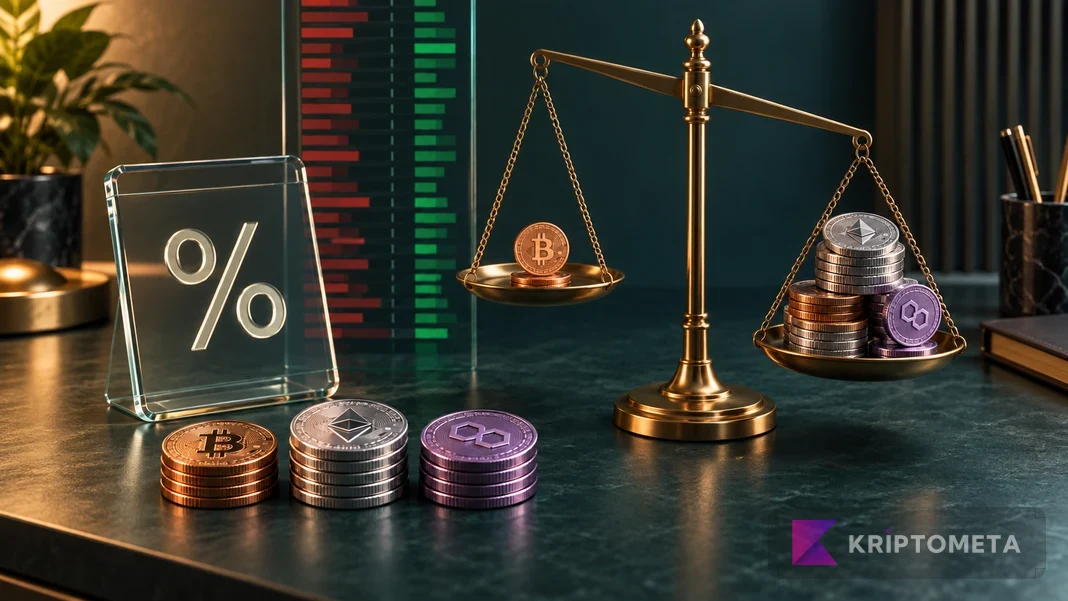
Volatility describes the variability of an asset's price or returns over a defined period. Large upward and downward moves can indicate higher volatility. A rising price is not automatically highly volatile, just as a falling price does not imply low volatility.
Example
At the same equally spaced observation times, hypothetical token A trades at $100 → $101 → $99 → $100. Token B trades at $100 → $120 → $80 → $100. Both have a 0% total return between the first and last observations. B has much larger intermediate swings, giving it the more volatile path over those intervals. This is an illustration, not actual token data or an annualized volatility calculation.
A volatility measure needs a stated period and sampling frequency. An hourly figure should not be compared with a daily-return measure without checking the method. Historical realized volatility and forward-looking volatility inferred from option prices are also different measures.
Volatility does not capture every risk. An asset with a quiet price history can still face liquidity, custody or counterparty problems. High volatility is not a promise of future profits.
For moves around a data release, the economic calendar guide distinguishes the forecast from the actual reading. Our Fed rates and crypto analysis examines possible macro drivers under separate conditions.
Keep exploring