













Brazilian users are due to move to local accounts by October 29. Product restrictions begin on October 27, while existing balances in the affected tokens can remain in accounts.
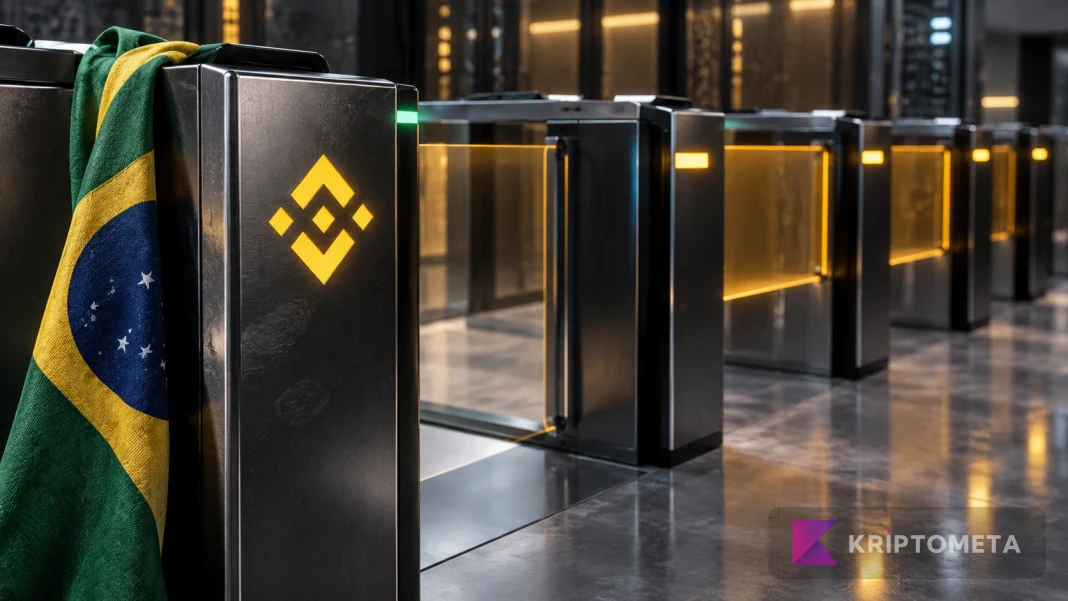
Binance will restrict access to eight services and halt trading in 22 tokens for users living in Brazil from October 27. In its official October 8 notice, the exchange linked the changes to compliance with the country’s new regulatory framework. The restrictions apply to Brazilian accounts; they are not a worldwide delisting of the tokens.
The exchange services closing to new positions are Loans, Binance Pool, Cloud Mining, Margin, Launchpool, Megadrop, HODLer Airdrops and Alpha 2.0. Alongside lending and margin trading, the restrictions cover several token distribution and early-access products available through the platform.
Binance Brasil’s explanation of the account transition and restrictions
The post loads from X when you open it.
The 22 affected tokens are XVG, USDE, USTC, DCR, DUSK, PIVX, BB, MANTRA, ONE, GMT, TFUEL, ZIL, ONT, RVN, ACX, HIT, PYR, VANRY, VIC, ICX, SCRT and STORJ. Binance says users can keep existing balances in their accounts. Ending trading does not mean those balances will automatically be sold or removed on the same date.
Existing positions face different conditions
Existing Binance Loans positions will remain available for repayment and position reduction after October 27. The exchange says it will not apply an additional penalty solely because of the regulatory change, and any remaining balance will return to the Spot account once a position closes. Opening a new loan will no longer be possible.
Existing margin positions can stay open. From October 27, however, new orders, additional transfers into margin accounts and further borrowing will be restricted. The official FAQ says there is currently no mandatory closing date for open margin positions.
October 27 is not a blanket deadline to close every open position. Existing loan and margin positions will follow separate conditions.
Derivatives have a separate transition process. Binance says it cannot actively offer these products to Brazilian residents; access to an international ADGM account at a customer’s own initiative is subject to separate conditions. Futures positions that are not migrated will remain in reduce-only mode. That arrangement does not extend migration to the other restricted services.
Local account transition by October 29
The move to local entities is due to be completed by October 29. Individual payment accounts for Brazilian real transactions will be opened with Binance Brasil Corretora de Câmbio e Valores Mobiliários S.A., formerly Sim;paul. BBrasil Sociedade Prestadora de Serviços de Ativos Virtuais Ltda. will provide the permitted virtual asset services.
According to the exchange, customers will keep using the same app, website and login details, with access to trading history and account statements. Existing identity verification information will transfer, although outdated records may require additional documents. Users whose residence outside Brazil has been verified will remain with the international platform.
Customers who decline the transition are asked to withdraw their assets and close their accounts before October 27. Those who continue will receive a four-question risk profile survey in the app. Accounts can operate during the 30 days following that notice; after the period expires, the survey must be completed before new trades.
Cross-border transfer checks start November 1
Under Binance’s October 2 transfer guide, transfers involving non-residents and transfers to a customer’s own foreign exchange account will require transaction purpose and counterparty information from November 1. Those transfers will be reported monthly to Brazil’s central bank. Domestic transfers between Brazilian residents are outside the new information step.
A customer’s own self-custody wallet is handled separately: the customer must confirm ownership, but no transaction purpose field is required. For other transfers that lack the necessary information, withdrawals cannot be sent, while incoming deposits from abroad may be held or, in some cases, returned.

